
국제학교 부모 인터뷰 가이드: 6살 아들의 강점과 잠재력을 효과적으로 보여주는 방법
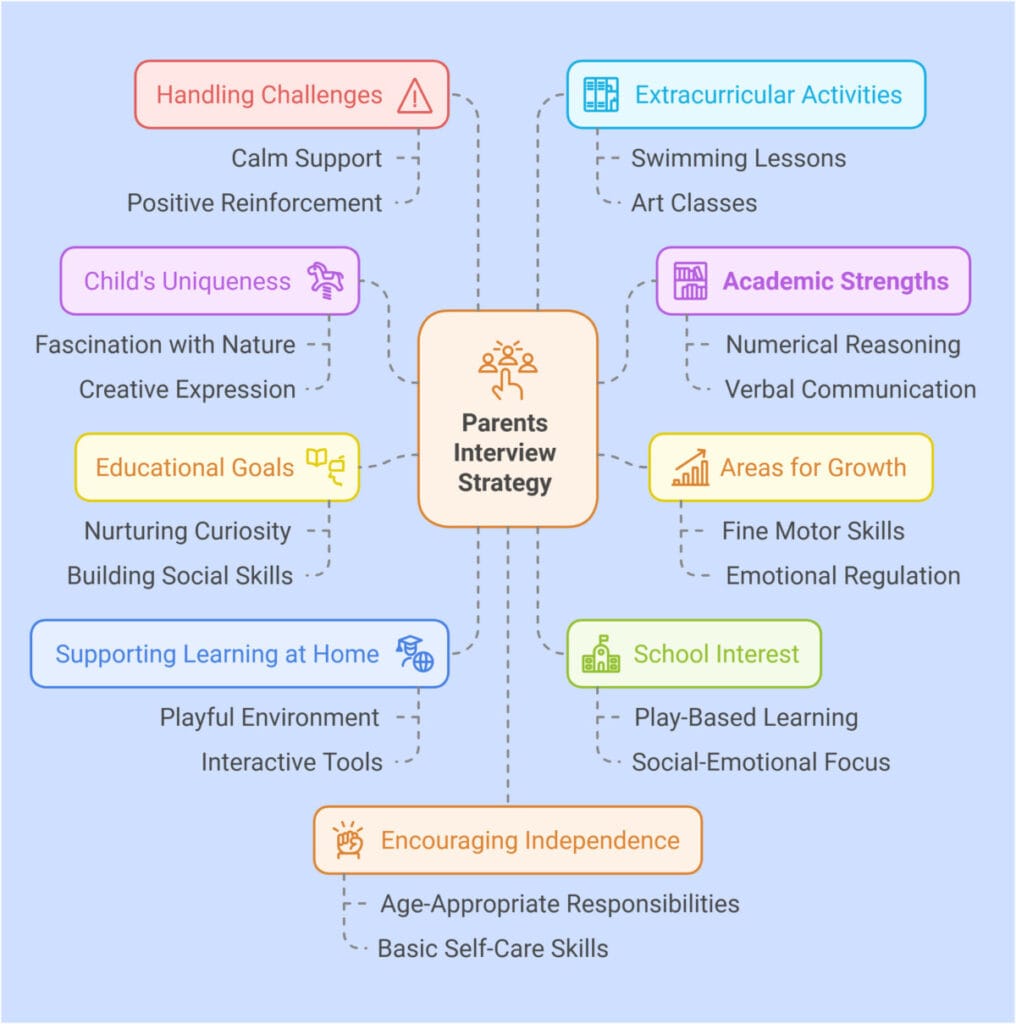
목차
1. 아이에 대해 말씀해주세요. 아이의 독특한 점은 무엇인가요? (Tell us about your child. What makes them unique?)
“에단의 특별함은 끝없는 호기심, 에너지, 그리고 공감 능력에 있습니다. 이러한 특징들은 다음과 같습니다": (“Ethan’s uniqueness lies in his boundless curiosity, energy, and empathy. These qualities include)
- 사물의 작동 원리에 대한 관심과 자연, 사람, 세상 간의 연결을 탐구하려는 깊은 관심. (A fascination with how things work, paired with a deep interest in exploring connections between people, nature, and the world.)
- 주변을 관찰하고 깊이 있는 질문을 던질 수 있는 능력. (An innate ability to observe his surroundings and ask thoughtful, insightful questions.)
- 자신의 발견을 예술과 이야기로 창의적으로 표현하는 능력. (A creative way of expressing his discoveries through art and storytelling.)
"예를 들어, 최근에 공원에 갔을 때, 에단은 나무가 생태계를 어떻게 지원하는지에 매료되었습니다. 그는 몇 시간 동안 곤충들을 관찰하고, 그들의 상호작용에 대해 질문하며, 발견한 내용을 자세히 그림으로 그려 기록했습니다. 과학적 호기심과 자연에 대한 공감이 어우러진 이 모습이 에단을 정말 특별하게 만듭니다.” ("For instance, during a recent visit to a local park, Ethan became captivated by how trees support ecosystems. He spent hours observing insects, asking questions about their interactions, and drawing detailed pictures to document his findings. This blend of scientific curiosity and compassion for the natural world makes him truly remarkable.”)
2. 아이의 학업적 강점과 발전이 필요한 부분은 무엇인가요? (How would you describe your child’s academic strengths and areas for growth?)
“에단은 다음과 같은 기초 학습 능력이 강합니다": (“Ethan demonstrates strong foundational skills in")
- 수학적 사고 및 패턴 인식 능력. (Numerical reasoning and pattern recognition.)
- 아이디어를 명확하고 열정적으로 표현하는 언어적 의사소통. (Verbal communication, where he expresses his ideas with clarity and enthusiasm.)
- 새로운 주제와 도전에 대한 호기심 기반의 학습. (Curiosity-driven learning, which fuels his interest in new topics and challenges.)
발전이 필요한 부분은 다음과 같습니다: (Areas for growth include)
- 글쓰기와 그림을 위한 소근육 운동 능력 향상. (Improving fine motor skills for writing and drawing.)
- 체계화된 활동에 집중하는 능력 기르기. (Building sustained focus on structured activities.)
- 인내심, 감정 조절, 그리고 적극적인 경청 기술 개발. (Developing patience, emotional regulation, and active listening skills.)
이러한 성장을 지원하기 위해 우리는 자상하게 지도하고 재미있고 나이에 맞는 활동을 통해 학습을 즐겁게 만들고 있습니다.” ("To support his growth, we provide gentle guidance and incorporate fun, age-appropriate activities that make learning an enjoyable experience.”)
3. 아이의 교육 목표는 무엇인가요? (What are your educational goals for your child?)
“에단에 대한 주요 교육 목표는 다음과 같습니다:" (“Our primary educational goals for Ethan are to")
- 자연스러운 호기심을 키우고 평생 학습에 대한 사랑을 발전시키기. (Nurture his natural curiosity and develop a lifelong love for learning.)
- 다른 사람과 연결할 수 있는 기초적인 사회 및 감정 기술 개발. (Build foundational social and emotional skills to help him connect with others.)
- 비판적 사고와 문제 해결 능력을 장려하기. (Encourage critical thinking and problem-solving abilities.)
- 과학, 자연, 이야기 속에서 나타나는 에단의 관심사를 지원하기. (Support his emerging interests in science, nature, and storytelling.)
- 회복력, 자신감, 그리고 인내심을 키우기. (Develop resilience, confidence, and patience.)
- 교육을 즐겁고 흥미로운 모험으로 긍정적으로 연관시키기. (Create positive associations with education as a joyful and exciting adventure.)
"우리는 에단이 지적, 감정적, 그리고 사회적으로 성장할 수 있도록 전인적 발달에 초점을 맞추고 있습니다.” ("Our focus is on holistic development, ensuring Ethan grows intellectually, emotionally, and socially.”)
4. 가정에서 아이의 학습을 어떻게 지원하시나요? (How do you support your child’s learning at home?)
“우리는 에단의 학습을 다음과 같이 지원합니다": (“We support Ethan’s learning by")
- 놀이와 탐구 중심의 학습 환경 조성. (Creating a playful, exploratory learning environment.)
- 교육용 게임, 인터랙티브 도구, 그리고 매일의 독서 세션 활용. (Using educational games, interactive tools, and daily reading sessions.)
- 질문을 장려하고 자연 산책 및 간단한 실험과 같은 체험 활동 제공. (Encouraging questions and hands-on experiences, such as nature walks and simple experiments.)
- 장을 볼 때 물건을 세거나 요리할 때 색깔과 모양을 탐구하며 일상 활동을 학습 기회로 전환. (Turning everyday activities into learning opportunities, like counting items while grocery shopping or exploring colors and shapes during cooking.)
- 학문적 기술과 창의적 표현의 균형을 맞추기 위해 구조와 유연성을 제공. (Providing both structure and flexibility to balance academic skills with creative expression.)
"예를 들어, 요리는 과학 실험이 되고, 공원 방문은 생태계에 대한 대화로 이어져 에단이 흥미를 느끼고 호기심을 유지할 수 있도록 돕습니다.” ("For example, cooking becomes a science experiment, while trips to the park spark conversations about ecosystems, helping Ethan stay engaged and curious.”)
5. 우리 학교에 관심을 가지게 된 이유는 무엇인가요? (Why are you interested in our school?)
“귀 학교의 유아교육 접근 방식에 매료되었습니다. 특히": (“We are drawn to your school’s approach to early childhood education, which includes")
- 창의력과 발견을 장려하는 놀이 기반 학습 모델. (A play-based learning model that encourages creativity and discovery.)
- 에단의 강점을 키우려는 우리의 목표와 일치하는 개별적 발달 중점. (Emphasis on individual development, aligning with our focus on nurturing Ethan’s strengths.)
- 학업적 성장과 더불어 사회·정서적 학습에 대한 강력한 헌신. (A strong commitment to social-emotional learning alongside academic growth, supporting holistic development.)
- 에단의 에너지 넘치고 호기심 많은 성격에 적합한 소규모 학급과 맞춤형 관심. (Small class sizes and personalized attention, which suit Ethan’s energetic and curious nature.)
"체계화된 학습과 창의적 탐구 간의 균형을 맞춘 귀 학교의 교육과정은 에단이 지적, 사회적으로 성장하는 데 필요한 이상적인 환경을 제공합니다.” ("The balance between structured learning and creative exploration in your curriculum is precisely what Ethan thrives on, providing the nurturing environment he needs to grow intellectually and socially.”)
6. 아이와 도전 과제나 좌절을 어떻게 극복하시나요? ( How do you handle challenges or setbacks with your child?)
“우리는 도전 과제를 성장의 기회로 여기며 다음과 같은 방식으로 접근합니다": (“We view challenges as opportunities for growth and approach them by")
- 침착하고 지지적인 태도를 유지. (Remaining calm and supportive.)
- 에단이 실수가 학습의 일부임을 이해하도록 돕기. (Helping Ethan understand that mistakes are part of learning.)
- 문제를 더 작고 관리하기 쉬운 단계로 나눔. (Breaking down the problem into smaller, manageable steps.)
- 노력과 진전을 축하하며 긍정적 강화를 활용. (Using positive reinforcement to celebrate effort and progress.)
- 좌절을 다루는 감정 조절 기술을 가르치기. (Teaching emotional regulation techniques to handle frustration.)
- 재미있고 협력적인 활동을 통해 문제 해결 전략을 모델링하기. (Modeling problem-solving strategies through fun and collaborative activities.)
"예를 들어, 에단이 신발 끈 묶는 것을 어려워했을 때, 우리는 이를 게임으로 전환하여 인내심과 격려를 통해 함께 연습했습니다. 이를 통해 그는 자신감을 얻고 필수 기술을 배울 수 있었습니다.” ("For example, when Ethan struggled with tying his shoelaces, we turned it into a game, practicing together with patience and encouragement. This helped him build confidence while learning an essential skill.”)
7. 아이의 특별활동(외부활동)은 무엇인가요? (What extracurricular activities does your child enjoy?)
“에단은 다음과 같은 다양한 활동을 즐기며 성장하고 있습니다": (“Ethan enjoys a variety of activities that reflect his interests and help him grow, such as")
- 수영 강습. (Swimming lessons.)
- 팀워크와 협응력을 키우는 초급 축구. (Beginner’s soccer, which develops teamwork and coordination.)
- 그림과 페인팅을 통해 창의력을 탐구할 수 있는 미술 수업. (Art classes, where he explores creativity through drawing and painting.)
- 자연에 대한 호기심을 키우는 자연 탐구 모임. (Nature exploration groups, which fuel his curiosity about the environment.)
- 리듬과 신체 활동이 결합된 음악 및 움직임 수업. (Music and movement classes that combine rhythm and physical activity.)
- 자신을 창의적으로 표현할 수 있는 이야기 워크숍. (Storytelling workshops, allowing him to express himself creatively.)
"이러한 활동은 에단의 운동 기술, 창의력, 그리고 사회적 상호작용을 지원하며, 그의 열정을 탐구할 기회를 제공합니다.” ("These activities support his motor skills, creativity, and social interaction, while giving him opportunities to explore his passions.”)
8. 아이에게 독립성을 어떻게 장려하시나요? (How do you encourage independence in your child?)
"우리는 독립성을 장려하기 위해 다음과 같은 방식을 취합니다": (“We encourage independence by")
- 시간 관리를 포함한 나이에 맞는 책임 부여. (Assigning age-appropriate responsibilities, like managing their schedule.)
- 스스로 옷을 입고 활동을 선택하도록 허용. (Allowing him to dress himself and make choices about his activities.)
- 옆에서 도와주면서 기본적인 자기 관리 가르치기. (Teaching basic self-care skills in a supportive way.)
- 탐구와 문제 해결을 위한 안전한 환경 제공. (Providing a safe environment for exploration and problem-solving.)
- 노력과 주도성을 칭찬하며 실수를 긍정적으로 받아들이기. (Praising his efforts and initiatives, even when mistakes happen.)
- 에단이 준비된 모습을 보일 때 점진적으로 자율성을 확대. (Gradually increasing his autonomy as he demonstrates readiness.)
"예를 들어, 에단이 간단한 문제를 혼자 해결하도록 격려하며, 이는 그가 자기 신뢰와 자립심을 키우는 데 도움이 됩니다.” ("For instance, we encourage Ethan to solve simple problems on his own before seeking help, helping him build self-reliance and confidence.”)
9. 부모님의 양육 철학은 무엇인가요? (Describe your parenting philosophy.)
“우리의 양육 철학은 다음에 기반합니다." (“Our parenting philosophy is built on")
- 에단이 안전하고 소중함을 느낄 수 있도록 무조건적인 사랑과 지원 제공. (Unconditional love and support to ensure Ethan feels secure and valued.)
- 그의 개성과 관심을 존중하는 온화한 지도. (Gentle guidance that respects his individuality and interests.)
- 호기심을 장려하고 비판적 사고를 가르치기. (Encouraging curiosity and teaching critical thinking.)
- 규율과 자유가 균형을 이루는 안전하고 안정적인 환경 조성. (Creating a safe, balanced environment where discipline meets freedom.)
- 공감, 친절, 그리고 감정 지능을 키우기. (Fostering empathy, kindness, and emotional intelligence.)
- 에단의 고유한 자질을 축하하며 그가 자신의 속도로 성장할 수 있도록 돕기. (Celebrating his unique qualities while helping him grow at his own pace.)
"우리는 정직과 호기심으로 삶에 접근하는 자신감 있고, 공감하며, 세상을 긍정적으로 변화시키는 아이로 키우기를 바랍니다." ("We strive to raise a confident, compassionate child who values integrity and approaches life with curiosity and purpose.”)
10. 학교와 학습에 대해 아이와 어떻게 소통하시나요? (How do you communicate with your child about school and learning?)
“우리는 학교에 대해 엠마와 소통하며 다음을 실행합니다": (“We maintain open communication about school by")
- 그녀의 경험에 대해 매일 대화 (Having daily conversations about her experiences.)
- 그날의 경험에 대해 매일 대화 나누기. (Actively listening and showing genuine interest in his learning.)
- 아이가 자신의 생각을 공유하도록 장려하기 위해 열린 질문 하기 (Asking open-ended questions to encourage them to share their thoughts.)
- 도전 과제나 좌절을 논의하기 위한 잘잘못을 따지지 않는 공간 마련. (Creating a judgment-free zone to discuss challenges or frustrations.)
- 학교 개념을 실생활 시나리오와 연결하여 흥미 유발. (Connecting school concepts to real-world scenarios to keep him engaged.)
- 노력을 축하하고 학습과 교육에 긍정적인 연관성을 구축. (Celebrating his efforts and discoveries to build a positive association with education.)
이러한 일관된 양육방식은 에단이 가족으로부터 지지받고 학습에 흥미를 느끼도록 돕습니다.” ("Our consistent approach helps Ethan feel supported and excited about learning.”)
국제학교 부모 인터뷰 예시: 3명의 12살 남자아이
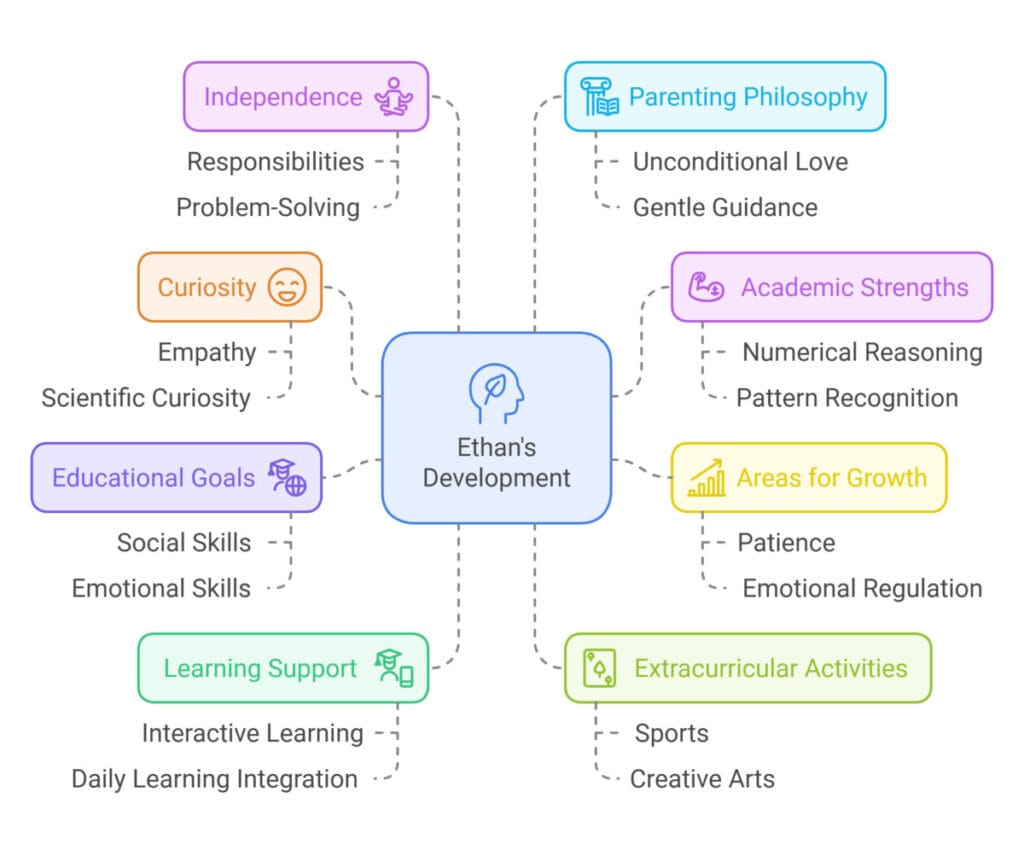
에단 (Ethan): 호기심 많은 관찰자
1. 아이에 대해 말씀해주세요. 아이의 독특한 점은 무엇인가요? (Tell us about your child. What makes them unique?)
“에단은 호기심이 많고 에너지가 넘치는 6살 아이로, 세상을 매우 열정적으로 탐험합니다. 그를 특별하게 만드는 것은 공감 능력과 과학적 호기심이 어우러진 점입니다. 에단은 언제나 질문을 던져요—사물이 어떻게 작동하는지 뿐만 아니라 그것들이 사람과 세상과 어떻게 연결되는지에 대해서도요. 예를 들어, 최근 공원에 갔을 때, 에단은 나무가 생태계를 어떻게 지원하는지에 매료되었습니다. 그는 몇 시간 동안 곤충을 관찰하고, 생물들이 어떻게 상호작용하는지 질문하며 본 것을 그림으로 기록했습니다. 이런 공감과 관찰력의 조화는 그를 정말 특별하게 만듭니다.” (“Ethan is an incredibly curious and energetic 6-year-old who approaches life with so much enthusiasm. What really makes him stand out is his mix of empathy and scientific curiosity. He’s always asking questions—not just about how things work, but also how they connect to people and the world around him. For example, on a recent trip to the park, he became fascinated by how trees support ecosystems. He spent hours observing insects, asking about how creatures interact, and drawing what he saw. That blend of compassion and observation is something really special about him.”)
2. 아이의 학업적 강점과 발전이 필요한 부분은 무엇인가요? (How would you describe your child’s academic strengths and areas for growth?)
“에단은 초기 학습 능력이 뛰어나며, 특히 수리적 추론, 패턴 인식, 그리고 언어적 의사소통과 같은 영역에서 두각을 나타냅니다. 그는 매우 호기심이 많고 새로운 아이디어를 탐구하는 것을 좋아합니다. 다만, 또래 아이들처럼 도전적인 과제를 수행할 때 인내심과 감정 조절이 필요한 경우가 있습니다. 또한 글쓰기와 소근육 운동 능력도 집중적으로 발전시켜야 할 부분입니다. 이러한 영역을 지원하기 위해 우리는 놀이와 재미있는 활동을 통해 자연스럽고 점진적으로 기술을 키울 수 있도록 돕고 있습니다.” (“Ethan has strong early learning skills, especially in areas like numerical reasoning, pattern recognition, and verbal communication. He’s very curious and loves to explore new ideas. That said, like most kids his age, he’s still working on patience and emotional regulation during challenging tasks. Writing and fine motor skills are also areas we’re focusing on. We’re supporting his growth in these areas through playful and engaging activities that help build these skills gradually.”)
3. 아이의 교육 목표는 무엇인가요? (What are your educational goals for your child?)
“에단의 자연스러운 호기심과 학습에 대한 사랑을 키우는 것이 우리의 주된 목표입니다. 우리는 그가 기초적인 사회적, 감정적 기술을 개발하고 자신감과 회복력을 갖출 수 있도록 돕고 싶습니다. 무엇보다 교육이 에단에게 즐겁고 기대되는 모험이 되기를 바랍니다. 우리는 에단의 지적, 감정적, 사회적 성장을 균형 있게 지원하는 데 초점을 맞추고 있습니다.” (“Our main goal for Ethan is to nurture his natural curiosity and love of learning. We want him to develop foundational social and emotional skills while building confidence and resilience. It’s really important to us that he sees education as an exciting adventure—something he looks forward to. We’re focused on supporting his intellectual, emotional, and social growth in a balanced, holistic way.”)
4. 가정에서 아이의 학습을 어떻게 지원하시나요? (How do you support your child’s learning at home?)
“우리는 학습을 에단의 일상생활에서 자연스럽고 즐겁게 만들려고 노력합니다. 예를 들어, 장보기를 수학 수업으로 바꿔 물건의 개수를 세거나 색깔과 모양을 확인합니다. 요리는 과학 실험이 되고, 자연 산책은 탐험과 발견의 기회가 됩니다. 우리는 매일 함께 책을 읽고, 교육용 게임과 앱을 활용하며, 에단이 질문하고 관심사를 탐구하도록 장려합니다. 목표는 그가 학습을 즐겁게 느낄 수 있는 놀이 중심의 환경을 만드는 것입니다.” (“We try to make learning a natural and enjoyable part of Ethan’s daily life. For instance, grocery shopping becomes a math lesson—counting items or identifying colors and shapes. Cooking is a science experiment, and nature walks are perfect opportunities to explore and discover new things. We also read together every day, use educational games and apps, and encourage him to ask questions and explore his interests. Our goal is to create a playful environment where he feels excited to learn.”)
5. 우리 학교에 관심을 가지게 된 이유는 무엇인가요? (Why are you interested in our school?)
“귀 학교의 유아교육 접근 방식에 깊은 인상을 받았습니다. 특히 놀이 기반 학습과 구조화된 활동 간의 균형이 마음에 들었습니다. 따뜻한 환경과 사회·정서적 기술 개발에 중점을 두는 점도 우리 가치와 잘 맞습니다. 소규모 학급과 맞춤형 지도는 에단의 학습 스타일에 이상적이라고 생각합니다. 또한 귀 학교의 교육 과정이 창의력과 탐구를 장려하는 점이 에단이 성장하고 번영하는 데 완벽한 곳처럼 느껴졌습니다.” (“We’re really impressed with your school’s approach to early education, especially the balance between play-based learning and structured activities. The nurturing environment and emphasis on developing social-emotional skills align perfectly with what we value. Your small class sizes and individualized attention seem ideal for Ethan’s learning style, and we love how your curriculum encourages creativity and exploration. It feels like the perfect place for him to grow and thrive.”)
6. 아이와 도전 과제나 좌절을 어떻게 극복하시나요? (How do you handle challenges or setbacks with your child?)
“에단이 도전에 직면하면 우리는 이를 긍정적인 학습 경험으로 만듭니다. 예를 들어, 신발 끈을 묶는 것을 배우다가 좌절감을 느꼈을 때, 우리는 그것을 재미있는 게임으로 바꿨습니다. 작은 단계로 나누어 연습하고 그의 노력을 함께 축하했습니다. 우리는 침착하고 지지적인 태도를 유지하며, 실수는 학습의 일부라고 가르칩니다. 문제를 작은 단위로 나누어 다루는 데 중점을 두어 에단이 회복력을 기르고 도전에 자신감을 가질 수 있도록 돕습니다.” (“When Ethan faces a challenge, we focus on making it a positive learning experience. For example, when he was learning to tie his shoelaces, he got frustrated at first. We turned it into a fun game, practicing together in small steps and celebrating his effort. We stay calm and supportive, teach him that it’s okay to make mistakes, and focus on breaking tasks into manageable parts. It’s important to us that he learns resilience and feels confident tackling challenges.”)
7. 아이의 특별활동(외부활동)은 무엇인가요? (What extracurricular activities does your child enjoy?)
“에단은 수영 수업, 초급 축구, 그리고 그림을 그리며 창의력을 발휘하는 미술 수업을 좋아합니다. 그는 자연 탐구 그룹에 참여하는 것도 좋아하며, 이야기 워크숍에서 자신을 창의적으로 표현하는 것도 즐깁니다. 이러한 활동들은 그의 운동 능력, 자신감, 그리고 창의력 개발을 돕는 동시에 친구들과 사교하고 새로운 것을 배우는 기회를 제공합니다.” (“Ethan loves swimming lessons, beginner’s soccer, and art classes where he gets to be creative. He’s also part of a nature exploration group and enjoys storytelling workshops. These activities help him develop motor skills, build confidence, and explore his creativity while giving him opportunities to socialize and learn new things.”)
8. 아이에게 독립성을 어떻게 장려하시나요? (How do you encourage independence in your child?)
“우리는 에단에게 나이에 맞는 책임감을 주며 자립심을 키웁니다. 예를 들어, 간단한 집안일을 돕게 하거나 스스로 옷을 입도록 장려합니다. 또한 그는 자신이 입을 옷이나 주말에 할 활동을 스스로 결정하게 합니다. 작은 문제가 발생하면 바로 개입하지 않고 먼저 해결 방법을 생각해 보도록 유도합니다. 그의 노력과 주도성을 칭찬하면서 자신감 있는 태도를 키우고 있습니다.” (“We encourage Ethan’s independence by giving him age-appropriate responsibilities, like helping with small chores or dressing himself. We also let him make decisions, like choosing what to wear or picking an activity for the weekend. If he encounters a small problem, we guide him toward solving it rather than stepping in immediately. Praising his effort and initiative has helped him build confidence in his abilities.”)
9. 부모님의 양육 철학은 무엇인가요? (Describe your parenting philosophy.)
“우리의 양육 철학은 무조건적인 사랑과 존중에 기반합니다. 우리는 온화한 지도와 안전하고 지지적인 환경을 제공하여 에단이 자신감을 가지고 탐구하고 배우도록 돕습니다. 규율과 자유 사이의 균형을 맞추고, 공감과 친절을 장려하며 그의 개성을 축하합니다. 우리의 목표는 에단이 호기심 많고 공감력 있는 아이로 성장해 세상을 즐겁게 탐험하도록 돕는 것입니다.” (“Our parenting philosophy is built on unconditional love and respect. We believe in gentle guidance and creating a safe, supportive environment where Ethan feels confident to explore and learn. We try to balance discipline with freedom, encourage empathy and kindness, and celebrate his individuality. Our goal is to raise a child who is curious, compassionate, and eager to embrace the world.”)
10. 학교와 학습에 대해 아이와 어떻게 소통하시나요? (How do you communicate with your child about school and learning?)
“우리는 학교에 대한 대화를 일상의 자연스럽고 긍정적인 부분으로 만듭니다. 매일 그의 하루에 대해 열린 질문을 던지며 무엇을 발견했는지, 무엇이 그를 행복하게 만들었는지를 물어봅니다. 우리는 적극적으로 경청하고 작은 노력도 축하합니다. 함께 책을 읽고 배우는 것에 대해 이야기하는 것은 우리의 중요한 일과입니다. 항상 이야기할 준비가 되어 있다는 것을 보여주며, 학습이 재미있고 흥미로운 것이라는 점을 격려합니다.” (“We make communication a natural and positive part of our daily routine. Every day, we ask him open-ended questions about his day—what he discovered or what made him happy. We actively listen and celebrate his efforts, no matter how small. Reading together and discussing what he’s learning is a big part of our routine. We make it clear that we’re always available to talk and encourage him to see learning as something fun and exciting.”)
제이슨 (Jason): 상상력 넘치는 창작자
1. 아이에 대해 말씀해주세요. 아이의 독특한 점은 무엇인가요? (Tell us about your child. What makes them unique?)
“제이슨은 에너지가 넘치고 상상력이 풍부한 6세 아이로, 하는 모든 일에 기쁨과 창의력을 불어넣습니다. 그는 이야기를 생각해내고 상황을 만들어내는 놀라운 능력이 있어서, 가장 단순한 활동조차도 모험으로 바꿔놓습니다. 예를 들어, 얼마 전 그는 거실을 ‘우주 정거장’으로 변신시켰는데, 골판지로 만든 조종 패널까지 준비했습니다. 우리 가족 모두를 ‘화성 탐험 미션’에 초대하기도 했죠. 제이슨의 창의력과 열정이 결합된 모습이 그를 정말 특별하게 만듭니다. 또한 그는 매우 다정하고 너그러운 성격을 가지고 있어서, 친구가 속상해하면 가장 먼저 위로해주고 장난감도 기꺼이 나누어주는 아이입니다.” (“Jason is an energetic and imaginative 6-year-old who brings so much joy and creativity to everything he does. He has this incredible ability to think up stories and scenarios, turning even the simplest activity into an adventure. For example, he recently turned our living room into a space station, complete with a control panel he made out of cardboard. He invited us all to be part of his ‘mission to Mars.’ Jason’s creativity, paired with his enthusiasm, makes him so unique. He also has a kind and generous spirit—he’s always the first to share his toys or comfort a friend who’s upset.”)
2. 아이의 학업적 강점과 발전이 필요한 부분은 무엇인가요? (How would you describe your child’s academic strengths and areas for growth?)
“에단은 초기 학습 능력이 뛰어나며, 특히 수리적 추론, 패턴 인식, 그리고 언어적 의사소통과 같은 영역에서 두각을 나타냅니다. 그는 매우 호기심이 많고 새로운 아이디어를 탐구하는 것을 좋아합니다. 다만, 또래 아이들처럼 도전적인 과제를 수행할 때 인내심과 감정 조절이 필요한 경우가 있습니다. 또한 글쓰기와 소근육 운동 능력도 집중적으로 발전시켜야 할 부분입니다. 이러한 영역을 지원하기 위해 우리는 놀이와 재미있는 활동을 통해 자연스럽고 점진적으로 기술을 키울 수 있도록 돕고 있습니다.”. (“Jason’s strengths are in verbal communication and storytelling. He loves reading and has a vivid imagination that helps him think through problems in creative ways. He’s also very curious about how things work and enjoys hands-on activities like building with blocks or solving puzzles. One area for growth is his focus during structured tasks. He’s naturally energetic, so we’re working on helping him channel that energy and develop patience when completing activities that require more attention or quiet concentration.”)
3. 아이의 교육 목표는 무엇인가요? (What are your educational goals for your child?)
“제이슨의 창의력과 학습에 대한 사랑을 키워주면서 성공에 필요한 기술들, 예를 들어 인내심, 회복력, 그리고 팀워크를 발전시키는 것이 목표입니다. 우리는 그가 자신의 능력에 자신감을 갖고 학습을 즐거운 경험으로 여기길 바랍니다. 무엇보다도, 제이슨이 자신의 관심사를 탐험하고 새로운 도전에 두려움 없이 나아가는 친절하고 사려 깊은 아이로 성장하도록 돕고 싶습니다.” (“Our goal for Jason is to nurture his creativity and love for learning while helping him develop the skills he’ll need to succeed, like patience, resilience, and teamwork. We want him to feel confident in his abilities and to see learning as something exciting and rewarding. Most of all, we hope to help him grow into a kind, thoughtful person who isn’t afraid to explore his interests and take on new challenges.”)
4. 가정에서 아이의 학습을 어떻게 지원하시나요? (How do you support your child’s learning at home?)
“우리는 제이슨의 학습을 재미있고 상호작용이 풍부한 방식으로 지원합니다. 예를 들어, 그의 이야기 사랑을 학습 기회로 바꿔서 책 속 장면을 연기하거나 자신만의 이야기를 만들어 보게 합니다. 또한, 건축 프로젝트나 간단한 실험과 같은 다양한 실습 활동을 통해 그를 지속적으로 참여하게 만듭니다. 새로운 것을 배울 때 그의 관심사와 연결해 학습을 더 흥미롭게 만듭니다. 예를 들어, 동물에 호기심을 가졌을 때 우리는 가상의 동물원을 만들어 서식지와 동물의 행동을 배우게 했습니다.” (“We support Jason’s learning by making it fun and interactive. For example, we turn his love for stories into opportunities for learning—he’ll act out scenes from books or make up his own stories based on what he’s read. We also give him plenty of hands-on activities, like building projects or experiments, to keep him engaged. When he’s learning something new, we tie it to his interests to keep it exciting. For instance, when he was curious about animals, we created a pretend zoo where he learned about habitats and animal behaviors.”)
5. 우리 학교에 관심을 가지게 된 이유는 무엇인가요? (Why are you interested in our school?)
“귀 학교의 창의력, 탐구, 그리고 개별 학습에 대한 강조가 마음에 들었습니다. 제이슨은 실습을 통해 학습하고 자기 표현을 할 수 있는 환경에서 번창합니다. 또한 귀 학교의 커리큘럼이 구조적인 학습과 창의적 탐험의 균형을 이루고 있다는 점이 정말 마음에 들었습니다. 사회·정서적 기술을 키우고 학습에 대한 사랑을 북돋우는 접근 방식은 우리 가치관과도 잘 맞아떨어집니다. 제이슨이 자연스럽고 즐겁게 성장하고 발전할 수 있는 완벽한 학교라고 생각합니다.” (“We’re drawn to your school because of the emphasis on creativity, exploration, and individualized learning. Jason thrives in environments where he can be hands-on and express himself, and we love how your curriculum balances structure with opportunities for creativity and play. Your focus on nurturing social-emotional skills and fostering a love for learning really resonates with us. We feel this school is the perfect fit to help Jason grow and develop in a way that feels natural and exciting for him.”)
6. 아이와 도전 과제나 좌절을 어떻게 극복하시나요? (How do you handle challenges or setbacks with your child?)
"제이슨이 어려운 일을 만났을 때 우리는 이를 긍정적인 경험이 되도록 노력합니다. 예를 들어, 그가 신발 끈 묶기에 어려움을 겪었을 때, 우리는 그 과정을 재미있는 이야기로 바꿔서 ‘특별한 기술을 배우는 슈퍼히어로’라고 말해주었습니다. 이 접근 방식은 그가 계속 도전할 동기를 부여했습니다. 우리는 실수를 학습의 일부라고 항상 상기시키고 결과보다는 노력을 축하합니다. 과제를 작은 단계로 나누고 놀이처럼 즐겁게 만들어주면 제이슨은 자신감을 갖고 집중할 수 있습니다.” (“When Ethan faces a challenge, we focus on making it a positive learning experience. For example, when he was learning to tie his shoelaces, he got frustrated at first. We turned it into a fun game, practicing together in small steps and celebrating his effort. We stay calm and supportive, teach him that it’s okay to make mistakes, and focus on breaking tasks into manageable parts. It’s important to us that he learns resilience and feels confident tackling challenges.”)
7. 아이의 특별활동(외부활동)은 무엇인가요? (What extracurricular activities does your child enjoy?)
“제이슨은 에너지와 창의력을 사용할 수 있는 활동을 정말 좋아합니다. 그는 다양한 캐릭터를 연기하고 이야기를 생동감 있게 만드는 드라마와 스토리텔링 워크숍에 열정적입니다. 또한 건축과 공작 활동을 즐기며, 그의 상상력으로 만든 창의적인 작품을 보면 정말 놀랍습니다. 축구도 좋아하는데, 친구들과 함께 뛰어놀며 팀워크를 배우고 에너지를 발산할 수 있어서 즐거워합니다. 한가한 날에는 그림을 그리거나 자신만의 만화를 만드는 것을 즐기며, 이야기 사랑과 예술을 결합시킵니다. 이러한 활동들은 제이슨이 자기 표현, 신체 활동, 그리고 사회적 상호작용 사이에서 균형을 유지하면서 자신감을 쌓고 관심사를 탐험하는 데 도움을 줍니다.” (“Jason absolutely loves activities where he can use his energy and creativity. He’s really passionate about drama and storytelling workshops, where he gets to act out different characters and bring stories to life. He also enjoys building and crafting projects—it’s amazing to see the imaginative creations he comes up with. Soccer is another favorite because it lets him burn off energy while learning teamwork and having fun with friends. On quieter days, he loves drawing and creating his own comic strips, combining his love for storytelling with art. These activities give Jason a wonderful balance of self-expression, physical activity, and social interaction, all while helping him build confidence and explore his interests.”)
8. 아이에게 독립성을 어떻게 장려하시나요? (How do you encourage independence in your child?)
“우리는 제이슨에게 간단한 일들을 맡기며 독립심을 키웁니다. 예를 들어, 학교 가방을 싸거나 오늘 입을 옷을 선택하도록 기회를 줍니다. 또한 주말 활동 계획이나 읽을 책을 선택하는 등 결정을 내릴 수 있게 해줍니다. 그가 문제를 만났을 때는 먼저 스스로 해결하도록 격려합니다. 예를 들어, 블록으로 무엇인가를 만들다 무너지면 질문을 통해 해결책을 생각하게 하지만 끝까지 스스로 해결할 수 있도록 돕습니다. 그의 노력을 칭찬하는 것이 그가 성취감을 느끼도록 돕습니다.” (“We encourage Jason’s independence by giving him opportunities to take charge of simple tasks, like packing his school bag or choosing his outfit for the day. We also let him make decisions in areas like planning weekend activities or picking books to read. When he encounters a problem, we encourage him to come up with solutions on his own first. For example, if he’s trying to build something with his blocks and it keeps falling, we’ll ask questions to guide him but let him figure it out. Praising his efforts helps him feel proud of his accomplishments.”)
9. 부모님의 양육 철학은 무엇인가요? (Describe your parenting philosophy.)
“우리의 양육 철학은 창의력, 친절함, 그리고 호기심을 키우는 데 중점을 둡니다. 우리는 부드러운 지도를 통해 제이슨이 경험을 통해 배울 수 있도록 자유를 주면서 균형을 유지하려고 합니다. 공감 능력을 가르치고 자신을 표현하도록 격려하며 회복력과 자신감을 키우도록 돕습니다. 우리의 목표는 사려 깊고 상상력이 풍부하며 긍정적인 태도로 삶의 도전을 헤쳐나가는 아이로 키우는 것입니다.” (“Our parenting philosophy is centered on fostering creativity, kindness, and a sense of curiosity. We believe in balancing gentle guidance with giving Jason the freedom to explore and learn from his experiences. We focus on teaching him empathy and encouraging him to express himself while helping him develop resilience and confidence. Our goal is to raise a child who is thoughtful, imaginative, and ready to take on life’s challenges with a positive attitude.”)
10. 학교와 학습에 대해 아이와 어떻게 소통하시나요? (How do you communicate with your child about school and learning?)
“우리는 학교와 관련된 소통을 매일 자연스럽게 이어가도록 습관화하고 있습니다. 예를 들어, ‘오늘 가장 재미있었던 일이 뭐야?’나 ‘오늘 웃음을 준 게 뭐였어?’ 같은 열린 질문을 던져서 이야기를 나눕니다. 제이슨이 새로운 것을 배우면 자신만의 방식으로 우리에게 설명하게 하는데, 이는 그가 배운 것을 정리하고 자부심을 느끼는 좋은 방법입니다. 우리는 그의 작은 노력도 축하하고 언제든 이야기를 나눌 수 있는 부모임을 알게 해줍니다.” (“We make communication about school a daily habit by asking Jason open-ended questions, like ‘What was the most exciting thing you did today?’ or ‘What made you laugh?’ We keep the tone light and supportive so he feels comfortable sharing. If he’s learning something new, we ask him to explain it to us in his own way—it’s often a fun way for him to process what he’s learned. We also celebrate his efforts, big or small, and make sure he knows we’re always here to listen and support him.”)
제이슨의 활기차고 상상력이 넘치는 성격을 강조하며, 그의 학습과 성장을 위해 부모가 어떻게 지원하는지를 보여줍니다.
루카스 (Lucas): 사려 깊은 탐험가
1. 아이에 대해 말씀해주세요. 아이의 독특한 점은 무엇인가요? (Tell us about your child. What makes them unique?)
"루카스는 조용하고 사려 깊은 6살 아이로, 큰 마음과 발견에 대한 사랑을 가지고 있습니다. 그는 무엇을 시작하기 전에 주변을 관찰하고 깊이 생각하는 성격입니다. 루카스를 특별하게 만드는 점은 세심한 관찰력과 다른 사람들이 놓칠 수 있는 세부 사항을 발견하는 능력입니다. 예를 들어, 자연 산책 중에 그는 나뭇잎 아래 숨겨진 작은 꽃이나 나무 껍질의 무늬를 가장 먼저 찾아내곤 했습니다. 그는 개미가 집을 짓는 모습을 관찰하거나 장난감이 어떻게 조립되었는지 알아내는 등, 사물의 작동 원리에 대한 자연스러운 호기심을 가지고 있습니다. 루카스는 또한 매우 친절하고 온화한 아이로, 다른 사람과 기꺼이 나누거나 도와주는 모습이 돋보입니다." (“Lucas is a quiet, thoughtful 6-year-old with a big heart and a love for discovery. He’s the kind of child who takes his time to observe and think things through before diving into anything. What makes him unique is his deep focus and ability to notice details others might miss. For example, when we went to a nature trail, he was the first to spot tiny flowers hidden under leaves or the patterns in tree bark. He has a natural curiosity about how things work—whether it’s watching ants build their colonies or figuring out how a toy is put together. Lucas is also incredibly kind and gentle with others, always ready to share or help someone in need.”)
2. 아이의 학업적 강점과 발전이 필요한 부분은 무엇인가요? (How would you describe your child’s academic strengths and areas for growth?)
"루카스의 강점은 관찰력과 흥미로운 작업에 깊이 집중하는 능력에 있습니다. 그는 퍼즐, 문제 해결, 그리고 블록 조립이나 물건 정리처럼 조용히 집중해야 하는 작업에 특히 뛰어납니다. 성장해야 할 부분은 그룹 활동에서의 자신감입니다. 그는 대체로 소극적인 편이어서 동료들과의 상호작용에 참여하도록 격려가 필요할 때가 있습니다. 우리는 그가 자신을 표현하고 더 큰 그룹에서 참여하는 데 자신감을 가질 수 있도록 돕고 있습니다." (“Lucas’s strengths lie in his observation skills and his ability to concentrate deeply on tasks he finds interesting. He’s especially strong in areas like puzzles, problem-solving, and anything that requires quiet focus, like building models or organizing objects. One area for growth is his willingness to step out of his comfort zone in group activities. He tends to be reserved in social settings and sometimes needs encouragement to join in. We’re working on helping him build confidence in expressing himself and participating in larger group dynamics.”)
3. 아이의 교육 목표는 무엇인가요? (What are your educational goals for your child?)
"루카스가 자신의 강점을 바탕으로 성장하도록 돕는 동시에 새로운 경험에 자신감을 가지고 도전할 수 있도록 격려하고 싶습니다. 우리는 그의 자연스러운 호기심과 발견에 대한 사랑을 키워주는 동시에, 사회적·감정적으로도 성장할 수 있도록 돕고자 합니다. 루카스가 학습에서 위험을 감수할 수 있는 편안함을 느끼는 것이 중요합니다. 새로운 활동을 시도하거나 그룹에서 자신의 아이디어를 공유하는 것도 포함됩니다. 전반적으로 우리는 루카스가 자기 자신에 대한 강한 자부심을 가지고 평생 학습을 사랑하게 되기를 바랍니다." (“Our goal for Lucas is to help him build on his strengths while encouraging him to step into new experiences with confidence. We want to nurture his natural curiosity and his love for discovery while also helping him grow socially and emotionally. It’s important to us that Lucas feels comfortable taking risks in learning, whether that’s trying a new activity or sharing his ideas in a group. Overall, we want him to develop a strong sense of self and a love for lifelong learning.”)
4. 가정에서 아이의 학습을 어떻게 지원하시나요? (How do you support your child’s learning at home?)
"우리는 루카스가 자신의 속도에 맞춰 탐구할 수 있는 환경을 제공합니다. 그는 실습 활동을 좋아하기 때문에 블록 쌓기, 패턴 만들기, 또는 뒷마당에서 자연을 관찰하는 기회를 제공합니다. 또한 독서를 그의 하루 일과의 중요한 부분으로 만듭니다. 그는 동물, 우주, 또는 사물의 작동 원리에 대한 조용한 독서 시간을 즐깁니다. 사회적 성장을 돕기 위해, 우리는 그가 가족 및 친구들과 자신의 프로젝트를 공유하도록 격려하는데, 이는 그가 더 활발히 소통하는 데 큰 도움이 되었습니다." (“We support Lucas by creating an environment that allows him to explore at his own pace. He loves hands-on activities, so we give him opportunities to experiment and tinker—like building with blocks, creating patterns, or observing nature in our backyard. We also make reading a big part of his day. He enjoys quiet moments with books about animals, space, or how things are made. To help him with social growth, we encourage him to share his projects with family and friends, which has been a fun way for him to open up.”)
5. 우리 학교에 관심을 가지게 된 이유는 무엇인가요? (Why are you interested in our school?)
"귀 학교의 개별 학습 접근 방식에 깊은 인상을 받았습니다. 루카스는 자신의 관심사를 탐구하고 자신의 속도로 작업할 수 있는 환경에서 번창하기 때문에, 구조화된 활동과 실습 활동의 균형이 매우 적합하다고 느낍니다. 또한 귀 학교가 사회·정서적 기술을 구축하는 데 중점을 두고 있다는 점이 매우 매력적이었습니다. 따뜻하고 지원적인 환경은 루카스가 자신의 신중한 성격을 유지하면서도 자신의 껍질을 벗어나도록 격려하는 데 큰 도움이 될 것이라고 믿습니다." (“Your school’s approach to individualized learning really stood out to us. Lucas thrives in environments where he can explore his interests and work at his own pace, so we feel your balance of structured and hands-on activities would be a great fit for him. We’re also drawn to your focus on building social-emotional skills. We believe Lucas would benefit from the warm, supportive environment you provide, which would encourage him to step out of his shell while staying true to his thoughtful personality.”)
6. 아이와 도전 과제나 좌절을 어떻게 극복하시나요? (How do you handle challenges or setbacks with your child?)
"루카스가 어려움을 겪을 때 우리는 단계별로 그를 도와주며 지원합니다. 예를 들어, 퍼즐을 푸는 데 어려움을 겪는 경우, 우리가 직접 해결하기보다는 잠시 멈추고 다르게 생각하도록 격려합니다. 또한 실수를 저지르는 것이 괜찮으며 학습의 일부임을 상기시켜줍니다. 그가 좌절감을 느낄 때는 감정을 이름 붙이고 차분하게 해결책을 찾을 수 있도록 도와줍니다. 그의 자신감을 키우고 그가 도전을 극복할 수 있다는 것을 보여주는 것이 핵심입니다." (“When Lucas faces challenges, we take things step by step to help him feel supported. For instance, if he’s struggling with a puzzle, we’ll encourage him to pause and think about it differently, rather than rushing to solve it for him. We also remind him that making mistakes is okay and part of learning. If he feels frustrated, we help him name his feelings and guide him toward a solution calmly. It’s all about building his confidence and showing him that he’s capable of overcoming challenges.”)
7. 아이의 특별활동(외부활동)은 무엇인가요? (What extracurricular activities does your child enjoy?)
"루카스는 그림 그리기, 레고 구조물 만들기, 자연 산책과 같은 조용하고 집중적인 활동을 좋아합니다. 그는 초보 피아노 수업도 즐기며, 자신의 속도에 맞춰 음악을 탐구하는 시간을 소중히 여깁니다. 최근에는 작은 원예 동아리에 참여하기 시작했으며, 식물을 심고 자라는 과정을 관찰하는 것에 많은 흥미를 보이고 있습니다. 이러한 활동들은 그의 관심사를 탐구하면서도 자연스러운 방식으로 새로운 기술을 익히는 기회를 제공합니다." (“Lucas loves quiet, focused activities like drawing, building Lego structures, and participating in nature walks. He also enjoys beginner piano lessons, which have been a wonderful way for him to explore music at his own pace. Recently, we introduced him to a small gardening club, and he’s really taken to planting and observing how things grow. These activities give him a chance to explore his interests while building new skills in a way that feels natural for him.”)
8. 아이에게 독립성을 어떻게 장려하시나요? (How do you encourage independence in your child?)
"우리는 루카스가 작은 업무에 대해 선택권과 책임감을 가질 수 있도록 독립심을 키워줍니다. 예를 들어, 정원에서 자신의 식물을 물주고 장난감을 정리하는 일을 맡깁니다. 그가 무언가에 대해 호기심을 가질 때, 우리는 그가 스스로 실험하고 탐구할 수 있도록 격려하며, 일이 조금 어질러지더라도 괜찮다고 생각합니다. 그가 혼자 해결 방법을 찾아볼 수 있는 공간을 주는 것은 그의 자신감을 키우는 데 큰 도움이 되었으며, 필요할 때 우리가 도와준다는 것을 알게 합니다." (“We encourage Lucas’s independence by letting him make choices and take ownership of small tasks. For example, he’s responsible for watering his plants in the garden and deciding how to organize his toys. When he’s curious about something, we let him experiment and explore, even if it means things get a little messy. Giving him space to figure things out on his own has helped him build confidence while knowing we’re there for support if he needs it.”)
9. 부모님의 양육 철학은 무엇인가요? (Describe your parenting philosophy.)
"우리의 양육 철학은 인내심, 격려, 그리고 이해를 중심으로 합니다. 우리는 루카스가 자신에 대해 안전함을 느끼고 주변 세상을 탐구할 수 있는 자신감을 가지길 원합니다. 그의 자연스러운 강점을 지원하면서도 부드럽게 그의 편안한 범위를 확장하도록 돕는 데 중점을 둡니다. 공감과 친절은 우리 가족의 중요한 가치이며, 우리는 매일 그것을 루카스에게 모범으로 보여주려고 노력합니다. 궁극적으로, 우리는 루카스가 호기심 많고, 자비로우며, 자기 자신에게 편안함을 느끼는 아이로 성장하기를 바랍니다." (“Our parenting philosophy is centered on patience, encouragement, and understanding. We want Lucas to feel secure in who he is and confident in exploring the world around him. We focus on supporting his natural strengths while gently encouraging him to step outside his comfort zone. Empathy and kindness are big values in our family, and we try to model those for him every day. Ultimately, we want him to grow into a curious, compassionate individual who’s comfortable being himself.”)
10. 학교와 학습에 대해 아이와 어떻게 소통하시나요? (How do you communicate with your child about school and learning?)
"우리는 루카스에게 잘 맞는 열려있고 차분한 소통 방식을 유지합니다. 하루가 끝나면, '오늘 새롭게 배운 것은 무엇이었니?' 또는 '오늘 가장 좋아했던 순간은 무엇이었어?' 같은 질문을 합니다. 루카스는 스트레스를 느끼지 않을 때 이야기를 나누는 것을 좋아합니다. 그가 어떤 것에 대해 흥분하면, 우리에게 알려달라고 요청하여 배운 것을 정리하고 지식을 자랑스럽게 느끼도록 격려합니다. 작은 노력이라도 칭한하며, 새로운 것을 시도하거나 과제를 완수했을 때 항상 응원합니다." (“We keep communication open and calm, which works well for Lucas. At the end of the day, we ask questions like, ‘What was something new you learned today?’ or ‘What was your favorite part of the day?’ He likes to share when he feels there’s no pressure. When he’s excited about something, we encourage him to teach us about it. It’s a great way for him to process what he’s learned and feel proud of his knowledge. We also make sure to celebrate his efforts, whether it’s completing a task or trying something new.”)
이 답변은 루카스의 조용하고 사려 깊은 성격과 탐구 및 관찰에 대한 사랑을 강조합니다. 또한 부모가 그의 자신감과 사회적 성장을 어떻게 지원하고 독특한 개성을 소중히 여기는지를 보여줍니다.